
Scientific Search
Recruiting Resource & Blog

The Soft Skills You Should Be Looking for in the Life Sciences
Technical and scientific expertise are critical in life sciences, but expertise alone doesn’t drive innovation, collaboration, or regulatory success. In regulated, cross-functional environments, soft skills can determine whether a hire thrives or stalls. For instance, clinical trials require flawless cross-functional communication, regulatory submissions require teamwork, and startups need adaptable, flexible problem-solvers. Finding the right people with the right soft skills is crucial to the success of any organization.

Reverse Mentorship in Pharma: When Gen Z Teaches the C-Suite
Let’s be honest, pharma, biotech, and engineering aren’t exactly known for being the fastest adopters of new trends. Between strict regulations, legacy systems, and layers of hierarchy, change can move real slow. But there’s something interesting happening in some forward-thinking companies called reverse mentorship.

Why Generalist Recruiters Fall Short in Life Sciences, And What Makes Specialized Firms Different
In the race to develop life-saving therapies, bring innovative devices to market, and stay ahead of regulatory changes, life science companies can’t afford to make hiring mistakes. Life sciences is not a plug-and-play field. It’s highly technical, heavily regulated, and constantly evolving. Here’s why generalist recruiters often fall short…and how specialized firms bring a whole different level of value.
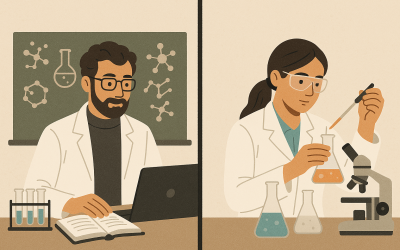
Why Hire Scientists with Both Industry and Academia Experience
It is common for hiring managers to default to one of two categories when evaluating candidate talent: those with a strong academic background or those with hands-on industry experience. There is a third option though, one that has been overlooked until recently…those who have worked in both academia and industry! Their hybrid experience can be a huge asset to a technical and strategic team.

The Pros and Cons of Contract Roles
With many in the life sciences on the lookout for a new role, it may be worth considering a contract role. While many people prefer permanent roles and have never taken a contract role before, it is always good to keep all options on the table.

Bridging the Communication Gap Between Scientists and Commercial Teams in Biotech and Pharma
In the biotech and pharmaceutical industries, scientific innovation drives product development, but translating that innovation into market success requires effective collaboration between scientific and commercial teams. Despite their shared goals, a communication gap often exists between R&D and business functions, creating challenges in product positioning, market readiness, and overall company alignment. This disconnect is an under-discussed but critical factor affecting success in the industry.